Estonian YouTuber Mai ties the knot at the National Palace Museum as Korea opens a palace setting to public weddings
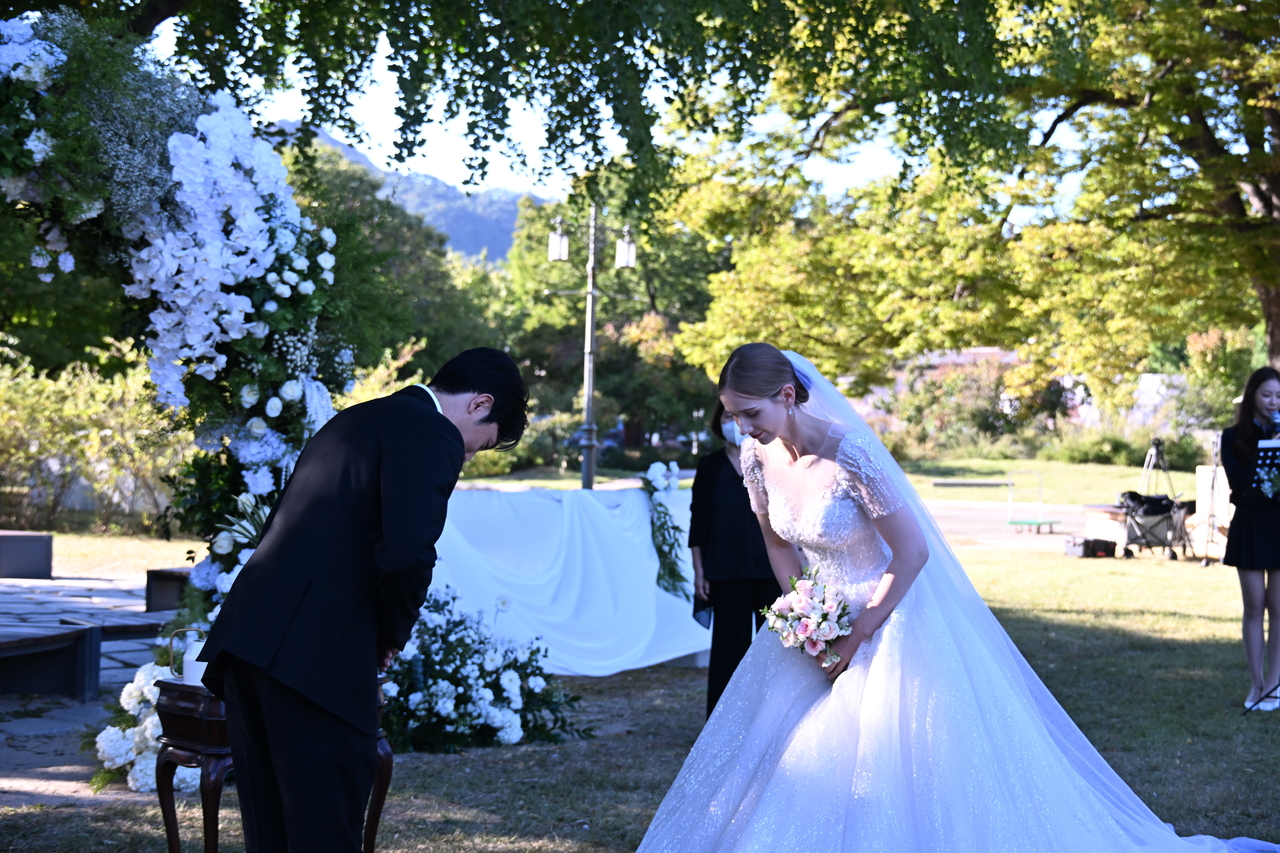
A bride and groom stood beneath a towering ginkgo tree in the courtyard of the National Palace Museum of Korea earlier this month, with the roofline of Geunjeongjeon, the main throne hall of Gyeongbokgung Palace, rising against the autumn sky.
Sunlight filtered through the branches, falling across them in shifting patches. Each time a breeze swept through the courtyard, the white fabric around the wedding arch fluttered, and the couple smiled.
The bride, Mai, 27, from Estonia, read her vows aloud. "Whatever happens from now on, I promise to always be by your side, holding your hand and walking through it all together."
Her groom, 37, who asked not to be identified, followed with his vows. "I love you just the way you are — even when you eat kimchi better than I do, and even when you're better at Korean than I am."
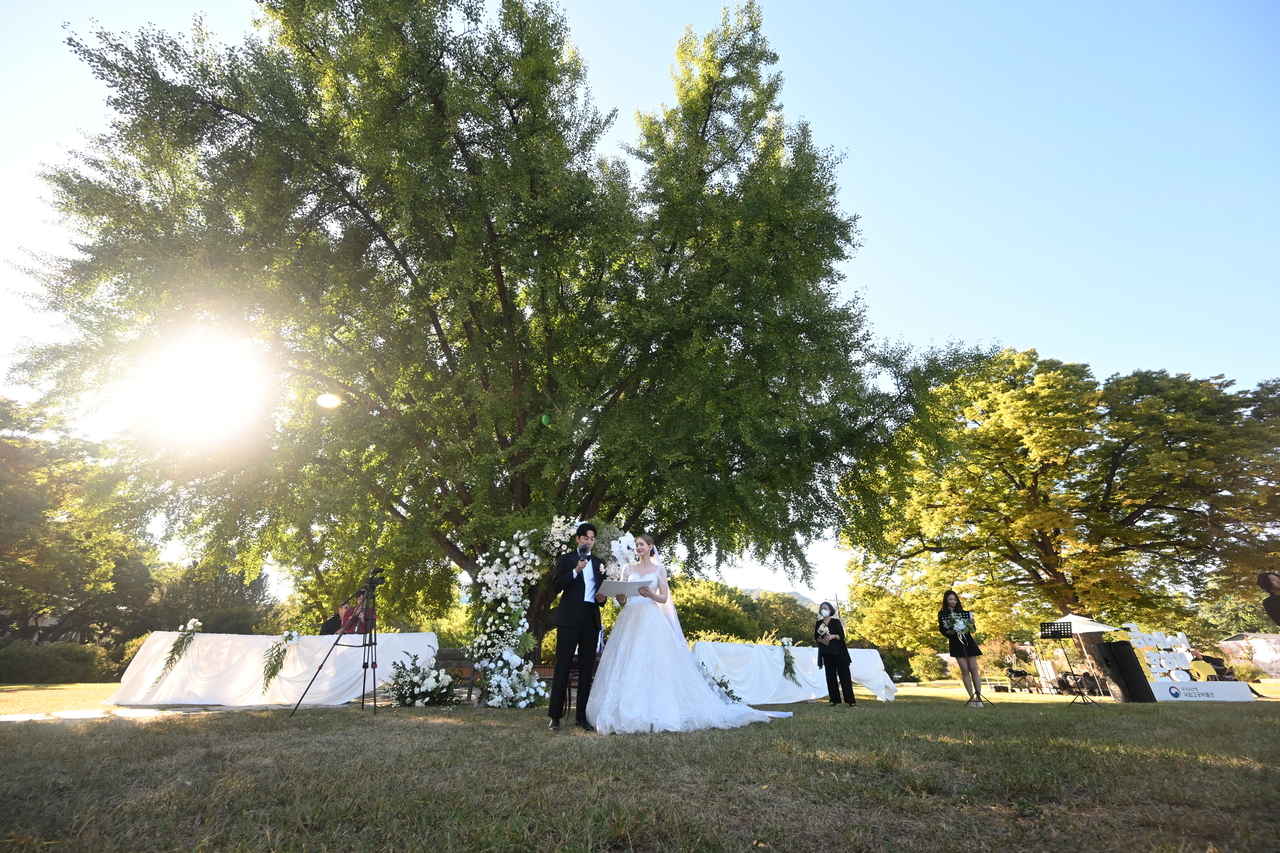
Then they read their vows together: "Today, here beneath this ginkgo tree at the National Palace Museum, we promise to always be there for each other."
Applause rose from the guests. For a moment, the great ginkgo tree seemed to bear witness to the union: two people, one raised in Estonia, the other in Korea, some 7,000 kilometers apart, starting a life together.
The ginkgo-tree rest area outside the National Palace Museum, a popular autumn spot that glows golden each year, had been turned into a wedding venue.
The Oct. 2 ceremony was the first one held as part of a new public wedding initiative launched by the Korea Heritage Service. The program opens the palace's outdoor grounds to small weddings, with the aim of bringing cultural heritage into everyday life while easing some of the financial burden of wedding costs for young couples.
A place already part of her love story
For Mai, the setting was much more than a picturesque backdrop.
"It feels like a dream to be getting married in a place with such historical significance," she told The Korea Herald before the ceremony.
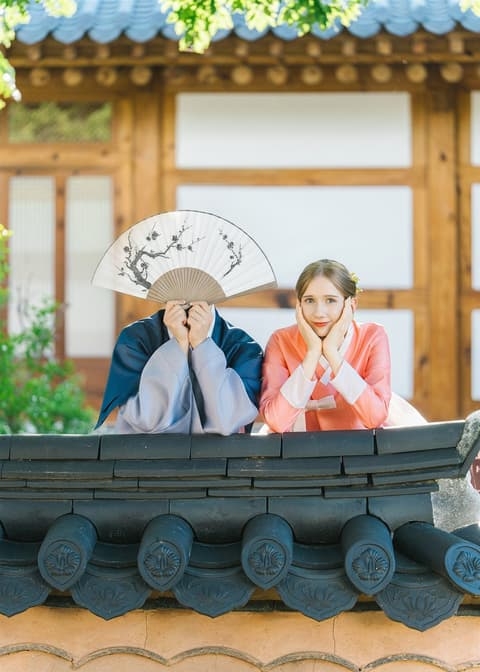
Mai's connection to Korea began with BTS and Korean dramas. Exactly 10 years before her wedding, on Oct. 2, 2016, she made her first trip to the country. She has now lived in Korea for three years, and runs the YouTube channel "Kimchi Ghost Mai," where she introduces hanbok and Korean traditional culture to some 220,000 subscribers. Last year, she became the first foreign national to be selected as Miss Chunhyang, a title tied to one of Korea's best-known love stories.
"Gyeongbokgung is where I first wore hanbok, and it's also where I went on my first date with my husband. It's a very meaningful place for me, and I'm so grateful that I get to get married somewhere that means so much to me," she said.
The couple met while working together on YouTube videos. When Mai was going through a difficult time, he was there for her, offering support and encouragement. Their friendship gradually grew into a romantic relationship.
After the ceremony, Mai reflected on how her relationship with Korea had changed.
"I used to feel like I was an outsider introducing Korean culture to other people, but now I feel like I've truly become part of a family. I want to cherish Korean culture the way I would my own family," she said.
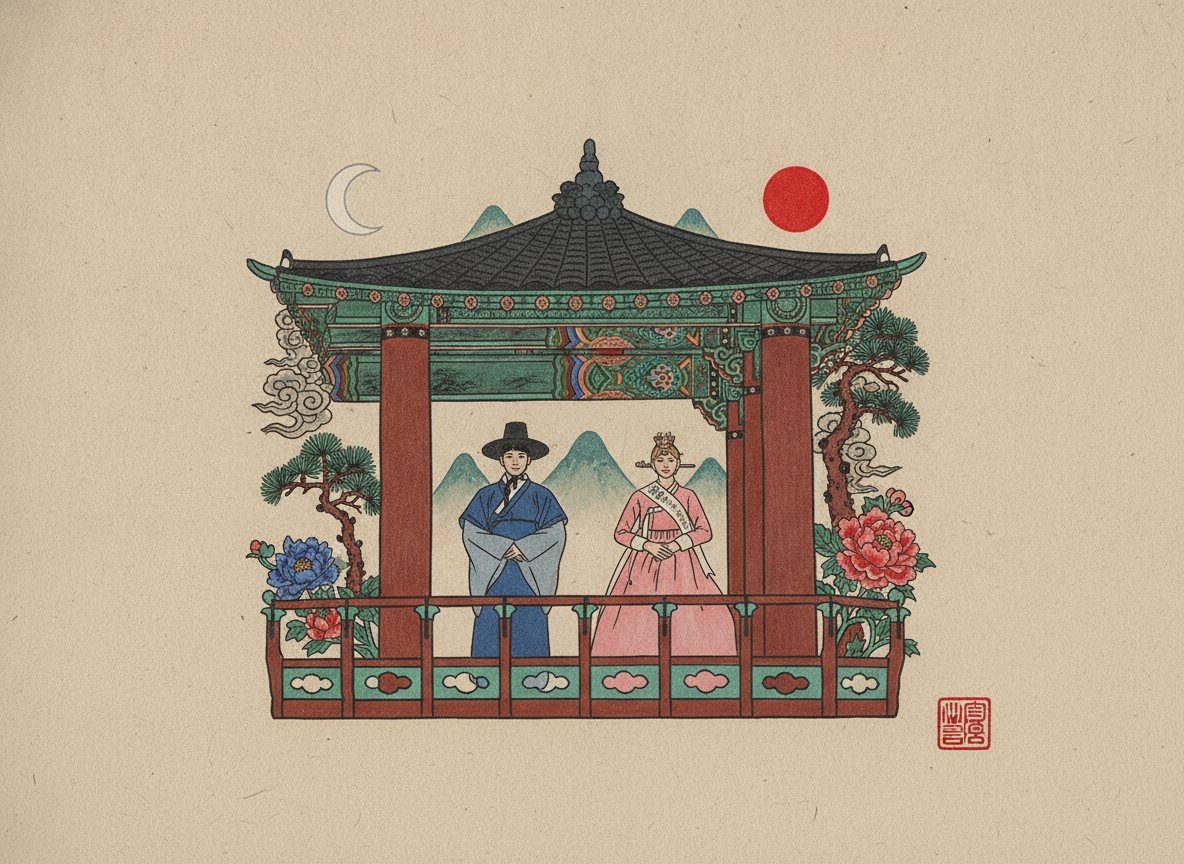
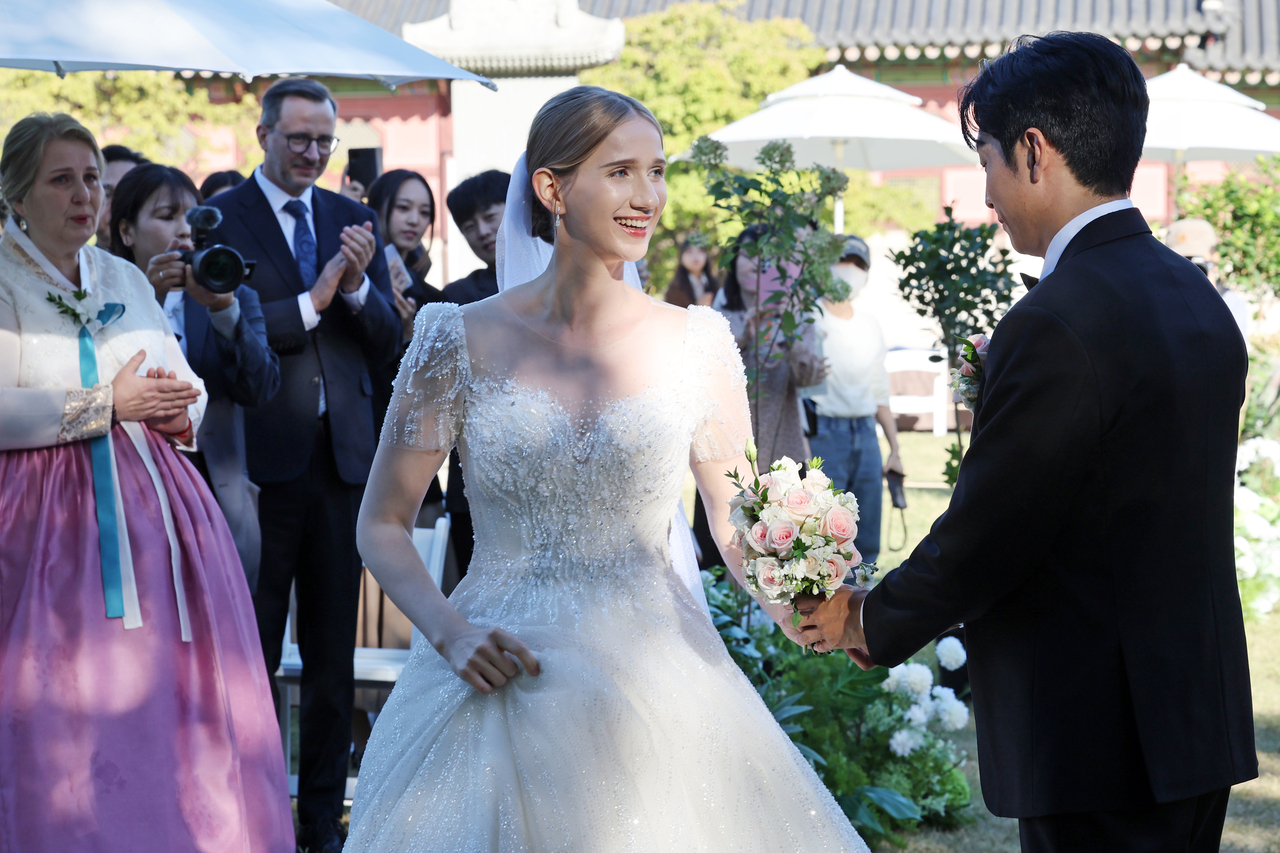
The ceremony blended a Western-style wedding with touches of Korean tradition. Some of Mai's guests from Estonia wore hanbok. The mothers of the bride and groom, also dressed in hanbok, stepped onto the platform before the couple and watered a potted orchid together — a symbolic gesture representing the two families putting down roots together.
The orchid had been given to the couple by First Lady Kim Hea Kyung, who visited shortly before the ceremony to congratulate them on their new beginning. Mai's 8-year-old nephew, Elliot, served as the ring bearer and was dressed in a "gonryongpo," the ceremonial robe worn by Joseon kings.
Opening the palace to the public
The ginkgo-tree area will continue to host outdoor weddings through Nov. 8, with 28 couples scheduled to exchange vows there on weekends and public holidays.
The Korea Heritage Service launched the program this year as part of an effort to bring cultural heritage into everyday life. It drew 293 applications, roughly 10 times the number of couples selected. The program is expected to expand next year, with 80 couples scheduled to hold weddings at the site in the spring and fall.
Mai and her husband were invited to hold their ceremony separately from the regular participants as part of the public launch of the program, in collaboration with the National Palace Museum, which provided the venue. The Korea Heritage Service noted that they did not receive financial assistance.
Kim Dae-hyun, an official in the planning and management department at the National Palace Museum, said the idea came to him while he was at work.
"One autumn, I looked at the ginkgo tree covered in golden leaves and was struck by how beautiful it was. It made me think about this space in a new way," he said.
The site once housed Naesabok, the royal office responsible for managing horses and carriages. Today, it serves as a resting area for visitors to the National Palace Museum and Gyeongbokgung.
"The site is within the grounds of Gyeongbokgung, but it is also a relatively open space that can be used in different ways. That gives us room to plan a variety of cultural events here."
Hur Min, head of the Korea Heritage Service, said that the history and stories embedded in cultural heritage come alive in new ways when they become part of daily life.
"Being able to love one person wholeheartedly is such a great happiness," he said. "I hope every couple who follows will begin their life together here with that same happiness, while creating new stories in this historic space, stories that can be shared with people around the world."
hwangdh@heraldcorp.com